New urology uploader helps patients get faster, more accurate test results
15 April 2026
The urology uploader, developed by DHCW with the support of clinicians, has recently been launched at the Princess of Wales Hospital in Bridgend.
This digital tool allows clinical staff to enter urine flow rate measurements and relevant notes directly into a patient’s electronic record at the point of care. By eliminating handwritten notes and paperwork, the uploader ensures that all information is captured quickly, accurately and safely. Data is automatically stored within the patient’s digital record, making it readily accessible for consultants to review. This streamlined process supports the entire urology workflow, reduces the risk of information being lost or duplicated, and makes results clearer and easier to interpret, helping to ensure better, safer care for patients.
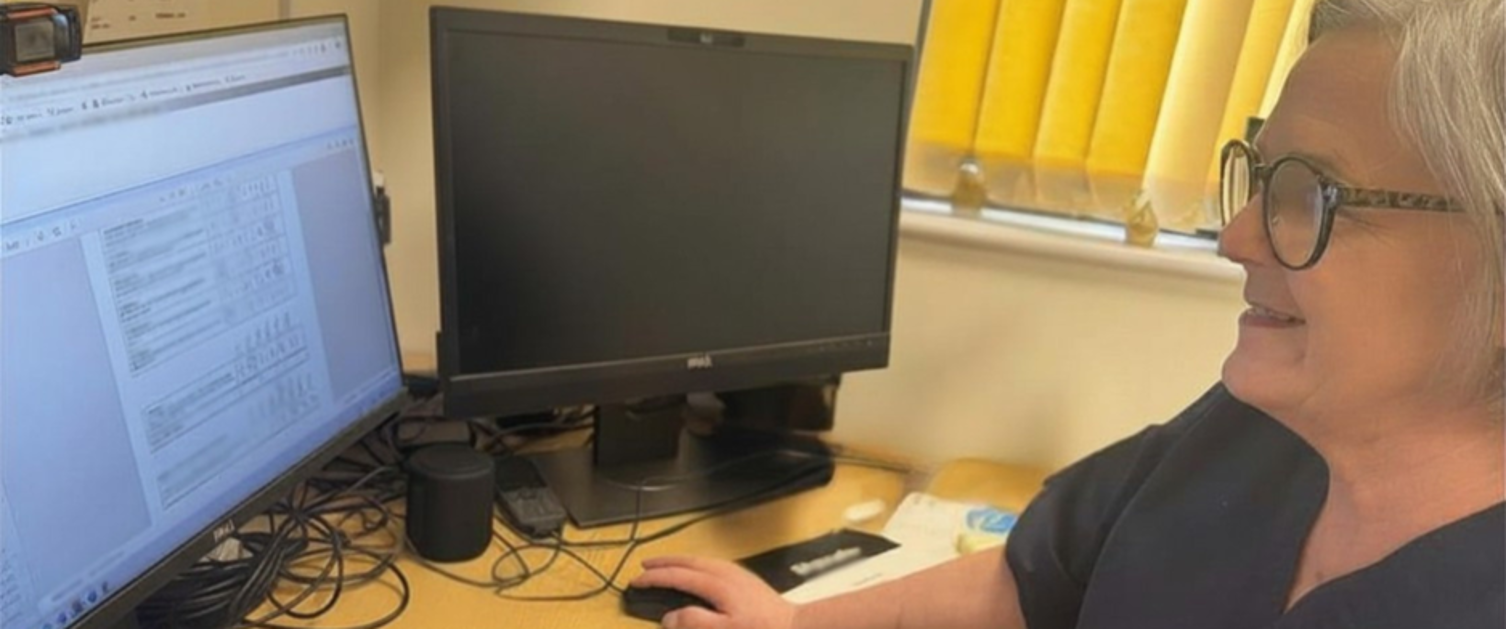
Sister Tiffany Ashcroft Morgan, based at the Princess of Wales Hospital, led the testing for the urology uploader. Tiffany said: “Consultants can now view urine flow rate request notes that have been uploaded directly onto the system by clinical staff. The uploader gives a much clearer clinical picture, helping us understand a patient’s symptoms sooner and make more informed decisions about their care.
“From a patient perspective, this will make a real difference. Previously, clinicians may not have had a clear picture of the tests carried out for a patient and would have had to search for results in the medical record. The results may not have been filed by the time the patient returned to clinic, which could potentially delay diagnosis. With urine flow rates now entered into the system, everything is available straight away. This means fewer repeat appointments, less waiting, and a smoother overall experience. For clinicians, it is more efficient, more reliable and far easier to use, with everything in one place.”
By reducing manual steps and improving the quality of information available, the urology uploader helps to enhance patient outcomes and supports more timely clinical decision making. Once fully rolled out, it will also reduce the administrative burden across urology services.